
The Benefits of Transportable Homes in New Zealand
New Zealand’s housing landscape is changing. As land becomes scarcer and buyers become more discerning, a new generation of transportable homes is emerging — not as a compromise, but as a considered, architectural choice. Built off-site to exacting standards and delivered ready to live in, today’s transportable homes bear little resemblance to the prefab structures of the past. For buyers who want something genuinely well-designed, the benefits of transportable homes in NZ are worth understanding.
“What we’re seeing is a real shift in who’s coming to us for transportable homes. These are people who’ve done their research, they know what they want, and they’re not willing to compromise on quality just to get into something quickly.”
— Adam Fox, Director, Fox Cabins®
What Are Transportable Homes?
A specialist construction team builds transportable homes entirely off-site in a controlled factory environment. Once complete, the home is transported and installed on its permanent foundation. With floor plans ranging from 50m² to 90m², a well-designed transportable home includes everything you’d expect from an architecturally considered build — bespoke cabinetry, quality fixtures, thoughtful spatial planning, and finishes chosen to last. Browse our full range of Transportable Homes here.
Transportable Homes vs Tiny Homes: What’s the Difference?
This is one of the most common questions we get — and the distinction matters. Both are built off-site and delivered to your property, however they serve different purposes and attract different buyers.
Tiny homes are typically under 50m², often built on a trailer chassis, and designed for maximum portability. As a result, they suit people drawn to a minimal, mobile lifestyle — a single occupant or couple happy to prioritise simplicity over space.
Transportable homes, by contrast, occupy a different category entirely. Larger (50m²–90m²), set on a permanent foundation, and designed to live and feel like a full home, they’re chosen by buyers who want the precision of factory construction combined with the liveability of a conventionally built house. In other words, the difference between a transportable home and a tiny home in NZ isn’t just size — it’s intent. One is built for mobility; the other is built to stay, and built to impress.
“The 70m² mark is a sweet spot we keep coming back to. It’s enough space to design something that genuinely feels architectural — real rooms, real proportions, the kind of kitchen and bathroom you’d put in any high-end build.”
— Adam Fox, Director, Fox Cabins
Key Benefits of Transportable Homes
Precision Build Quality
Factory construction isn’t just faster — it’s more controlled. Building in a fixed environment means consistent conditions, no weather delays warping timber or compromising finishes, and a team who work on the same product every day. As a result, the level of build precision achieved is difficult to replicate on a traditional site. For buyers who care about the details — joinery tolerances, cabinetry alignment, surface finishes — this matters.
Design Flexibility and Customisation
The best transportable homes aren’t off-the-shelf. Instead, floor plans can be adapted, materials selected, and finishes specified to suit the buyer’s brief. From architectural cladding choices to bespoke kitchen layouts, a quality transportable home offers the same level of customisation as a site build — with the added advantage of a factory environment where those decisions translate directly into the finished product.
Flexibility of Use
Transportable homes suit a wide range of applications — a secondary dwelling on an existing property, a standalone home on a rural section, or a high-spec rental property for buyers seeking long-term yield without sacrificing quality. Furthermore, if circumstances change, the home can be relocated — a level of flexibility no traditional build can offer.
Speed Without Shortcuts
Faster build times don’t mean corners are cut. In fact, factory construction runs parallel to site preparation, which compresses the overall timeline significantly. Consequently, buyers who’ve secured their section can be in a finished, quality home without a multi-year build process.
Built for New Zealand Conditions
Quality transportable homes are engineered to meet New Zealand’s building code — including requirements for structure, insulation, and weathertightness. Moreover, at the upper end of the market, that means specifications that exceed minimum requirements: high-performance insulation, durable exterior cladding, and fixtures chosen for longevity in the NZ climate.
Who Chooses a Transportable Home?
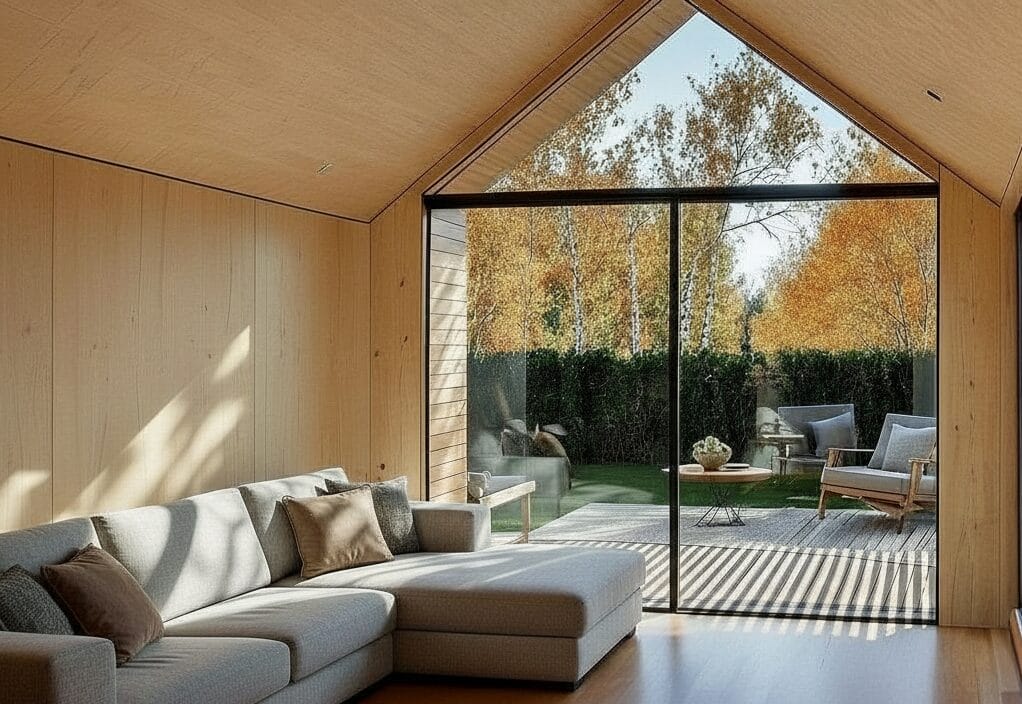
The buyers drawn to high-spec transportable homes tend to share a few things in common. They value design. They want a home that reflects considered decisions rather than default choices. Above all, they want the process to be straightforward — a quality team, a clear scope, and a finished result they’re proud of. Whether that’s a second dwelling for family, a rental investment held to a high standard, or a primary residence on a lifestyle block, the common thread is intention.
What’s Next?
The smart housing solution isn’t always the biggest or the most conventional. For buyers who want quality construction, design flexibility, and a faster path to a finished home, transportable homes make a compelling case. View our full range of Transportable Homes, or get in touch to talk through your brief with our team. If you’re still weighing up a Tiny Home on Wheels, you can explore that range here.